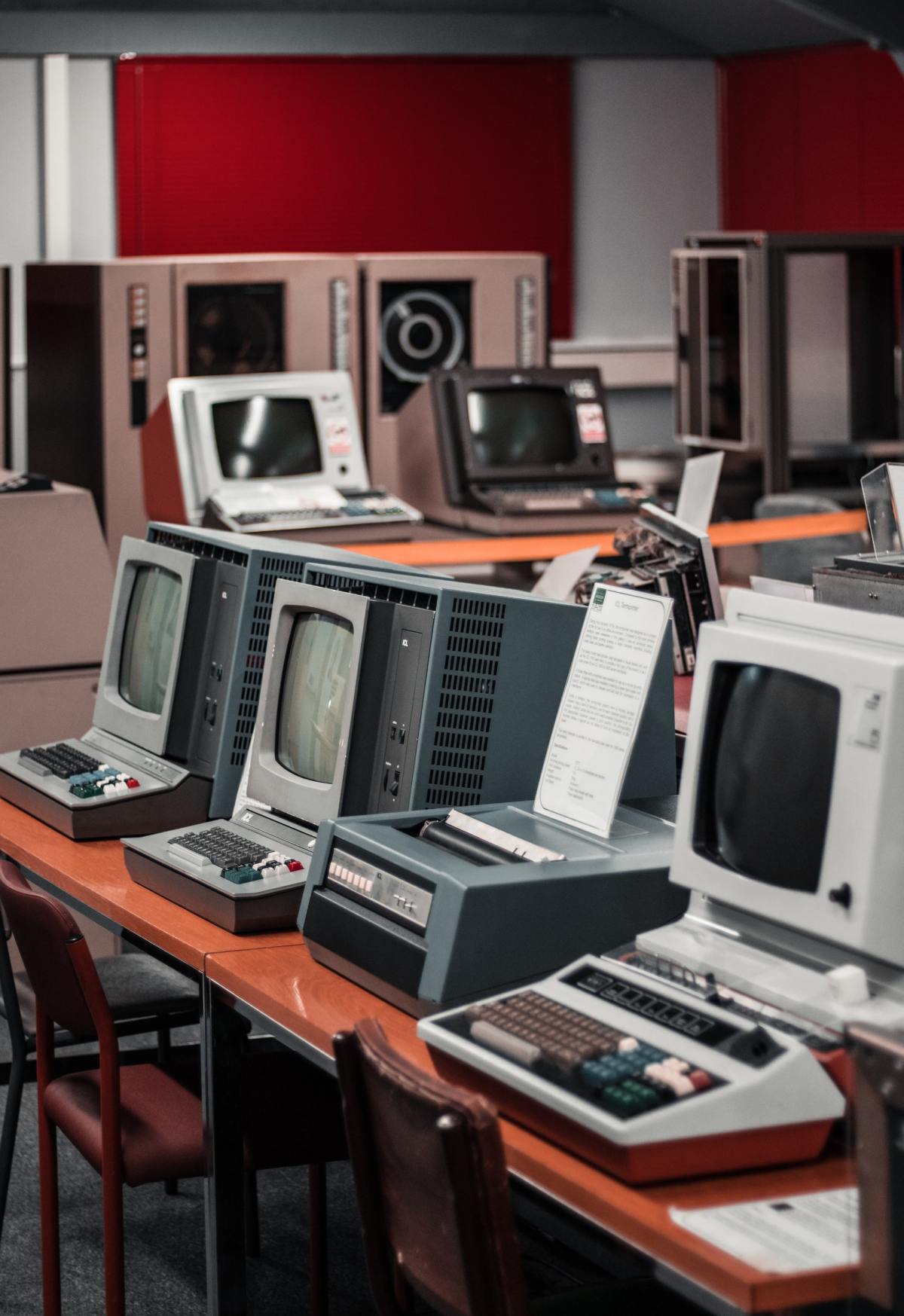
Gold Exam

I’ve started my Crestron Gold Exam thinking the end of the year is likely to slow down. Ha! My workload has remained pretty high for the last few months, not leaving much time to work on this blog. I am still working on new posts, just not getting enough time to finish any of them. And now that I’ve started my Gold Exam, I’ll have to set aside time every week to work on that (due 3/13/23).

Sorry if things have been a little quiet, I do plan to keep writing when I can find the time again.

Lessons from Masters

Originally, I planned to write a post about everything I learned at Crestron Masters this year. In prior years, I wrote everything down that I could and would bring it back to our team of programmers to share. I don’t know how much they cared (my notes work well for me but usually not anyone else), and since Crestron records all their sessions now, I feel less need to capture everything. Work was busy this week, and I haven’t had time to reflect until now anyway.

Continue reading “Lessons from Masters”

Crestron Drivers

I just finished watching all the videos for the C# for Crestron – Crestron Drivers online course and feel like I absorbed very little of it. The driver abstraction seems overly complicated, and the overall presentation of their videos is very dull. I like to contrast them with Q-SYS videos which are short and focused enough to hold your attention. Something about Crestron’s videos feels too robotic and I find myself multitasking with them on in the background.

Continue reading “Crestron Drivers”

SIMPL Crosspoints Best Practices

When I started Crestron programming in 2010, you had to take two classes. One covered almost the entire Crestron catalog. All I can remember is my eyes glazing over after a couple days of that. We might have built a touchpanel layout, too. The second class actually got into SIMPL programming, but we only covered button presses, feedback, interlocks, and maybe a toggle. It was fairly basic, but it was enough to get started programming Crestron systems.

After passing the exam at the end of class, they told us to go program systems for a year then come back and take the 201 class.

Continue reading “SIMPL Crosspoints Best Practices”

VC4 and SIMPL

I was recently asked if we could get a customer with an old PRO2 upgraded to VC4, probably to support new hardware they wanted to install. Looking at the existing system, there were a couple devices that needed a hardware controller: DSP and lighting control over RS-232, cable TV control over IR, and a Cresnet button panel for basic room functions. I told them we’d need to keep the PRO2 for all the connectivity, but maybe we could get it to talk to a new program running on VC4?

Continue reading “VC4 and SIMPL”

The Future of AV Programming: Part 6

It’s been over a year since my last installment in this series, so I thought it was a good time to reflect on where things are and where they seem to be going. I completely missed the mark on touchless control! But I think the need to diversify our skills as AV programmers is more apparent than ever. Prepare yourself, things look a bit bleak.

Continue reading “The Future of AV Programming: Part 6”

SIMPL Module Best Practices

When I started programming Crestron systems, there were two other programmers on my team. One was a senior programmer who had been doing it for years already; the other was a junior programmer who had been doing it for a year maybe? I feel like I fit into the middle slot between them quite nicely. So, I tried to follow the senior guy’s example and help the junior guy out when I felt that I could.

The workflow I picked up from the senior programmer was:

  • Copy-and-paste the previous program you worked on and only change the bits needed for the new system. 90% of the code is probably going to be the same anyway.
  • Don’t jam ANY signals together, always buffer them or use an OR.
  • Never hide program logic inside of a module.

I can already tell this is going to be a divisive post because of how different people treat user modules. I want to present 3 modules in this post, talking about why they were written, how they evolved, and why they were the best approach.

Continue reading “SIMPL Module Best Practices”