This post will cover how we can use NetLinx Studio to test our program, especially in the absence of real equipment.
Continue reading “NetLinx: Testing”Office Treasure!
I love going into our office and exploring our kitchen / break room / storage closet when I’m waiting for my coffee to brew. There are so many strange things we’ve held onto for who knows how long. Like today, I just noticed this nice Pelican case sitting behind the refrigerator:
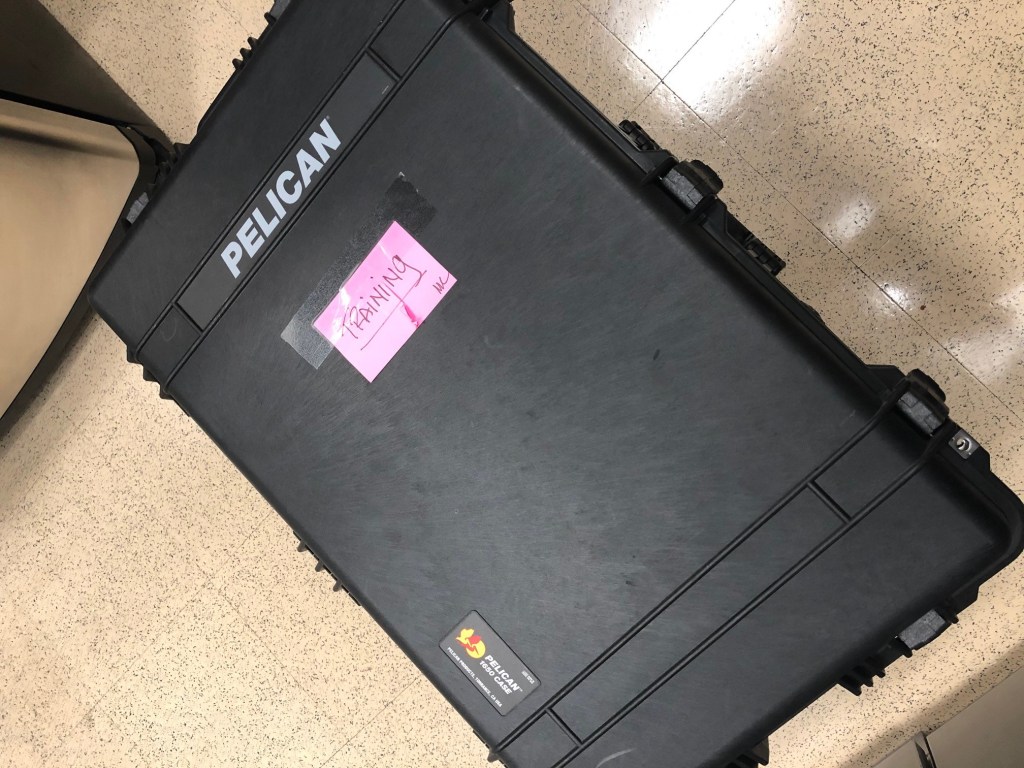
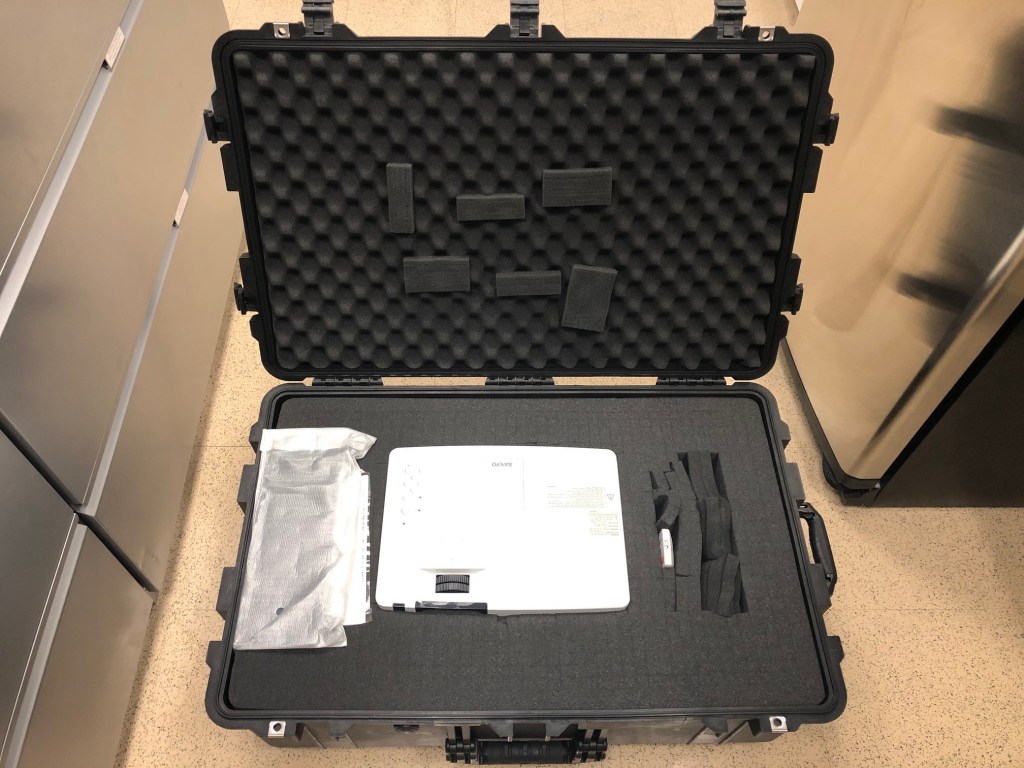
A Sanyo XGA projector?! It’s a $400 case for a $40 projector! I love it! I wonder how long this thing will sit next to the fridge… We should really clean out a lot of this junk we’ve been hoarding.
NetLinx: Your First Program
In the last post, we got started by making sure our tools worked and blinked some lights. In this post, we’ll dive deeper into how the NetLinx language works and write a legitimate program.
Continue reading “NetLinx: Your First Program”Org Capture
I’ve been getting better at using Org Capture to keep a work journal (as in, actually remembering to write in it). It was especially useful during Crestron Masters to keep everything organized. Org is a very powerful tool, and I’ve found that working with the parts that are easy to understand, it’s easy to slowly build from there. For me, that’s logging journal entries.
I stumbled onto Org by reading Sacha Chua‘s blog. She has an excellent post on taking notes more efficiently in Org. I’ve set myself up with 3 files to organize my thoughts:
- journal.org – This is where I jot down quick ideas or reflect on something. I typically post links to tasks here as I’m working on them.
- tasks.org – This is where I track progress on project work. Anything that could potentially have a TODO placed next to it goes here, then I link it into my journal so I remember the context for adding it.
- notes.org – This is where I organize study notes on different subjects. It’s also where I’ll write down passwords or secrets if I’m using any type of 3rd party service.
So far this seems to be working well. It would be great if I could write everything in Org and export as needed. This might work well with my developer site, but I don’t know how I would be able to pull in posts and format them correctly in WordPress. There might be plugins that can handle that?
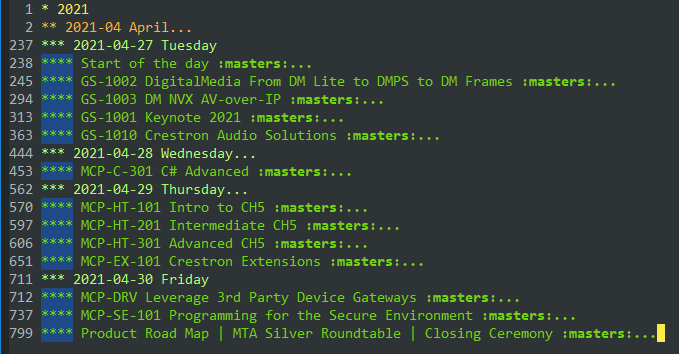
Org has helped me write more (one of my goals for 2020). I’ve been writing in my journal a few times every day since April 16th, 2021, and I’m already up to 16K words (plus another 7K in my notes). Org lets me tag entries too so I can quickly return to them. For example, I put masters on everything from Crestron Masters this year:
So if you’re looking for a good note-taking system, I’d recommend Org Mode in Emacs.
NetLinx: Getting Started
I want to write a few posts about programming AMX NetLinx controllers. While I started my career programming AMX systems, I’m lucky now if I see 1 or 2 in a year. Strangely, every time I’ve started with (or returned to) a company, I’ve been handed a NetLinx system to figure out. It’s sort of a welcoming return to AV because programming in the NetLinx language is well-suited to automation tasks and something about it brings me joy.
Continue reading “NetLinx: Getting Started”Mechanical Keyboard
I just got a new Logitech K840 Mechanical Keyboard because I noticed some of the keys were sticking on my old Microsoft one. Granted it was 8 years old but still worked reasonably well. So far I’m happy with this new one, it definitely feels and sounds different, sort of like the first PC keyboard I can remember. I like that! It doesn’t have Num-Lock or Scroll-Lock indicators, so that’s kind of weird, but those aren’t buttons I hit very often anyway I guess. I’ll probably post an update after I’ve used it for a while.
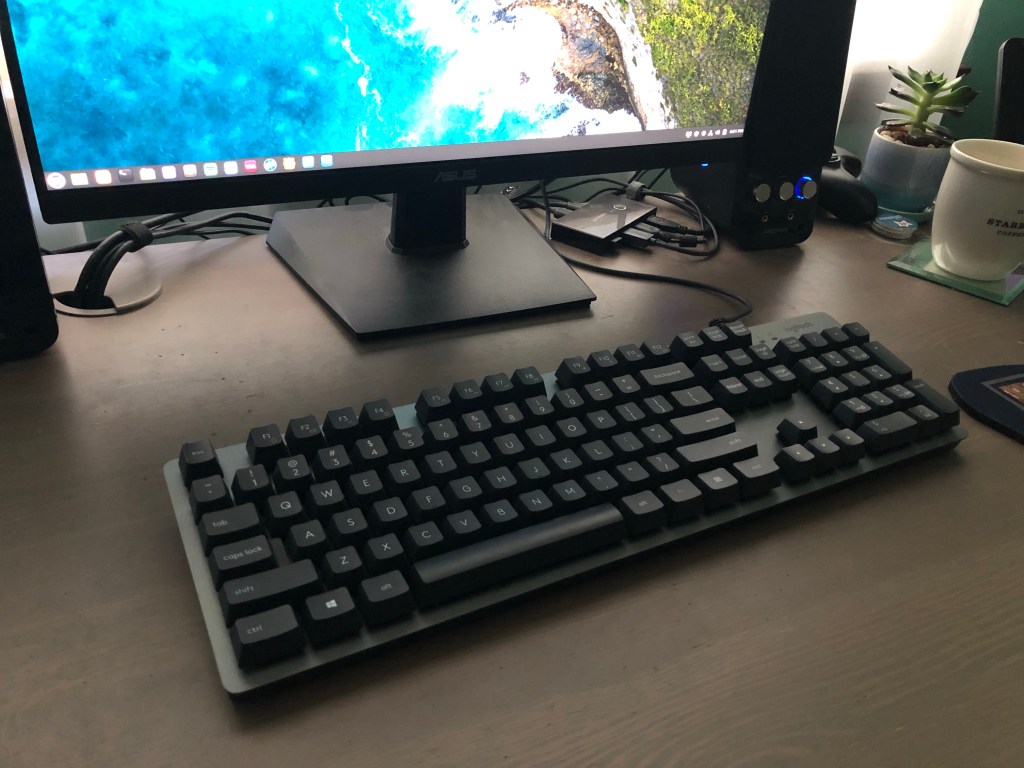
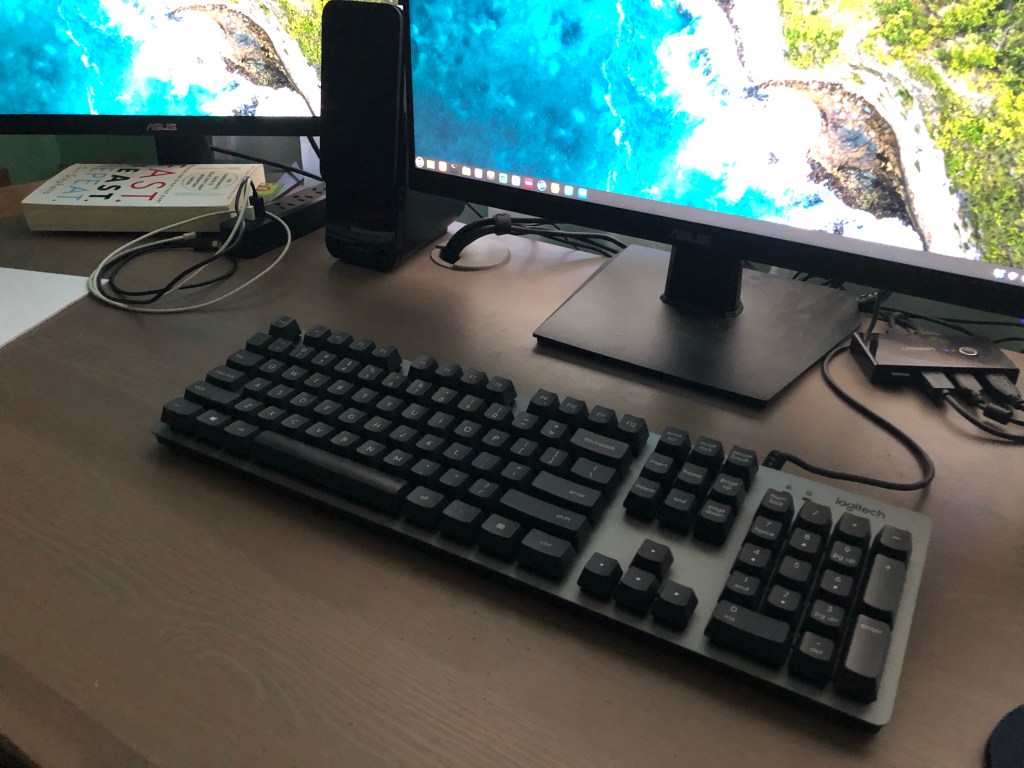
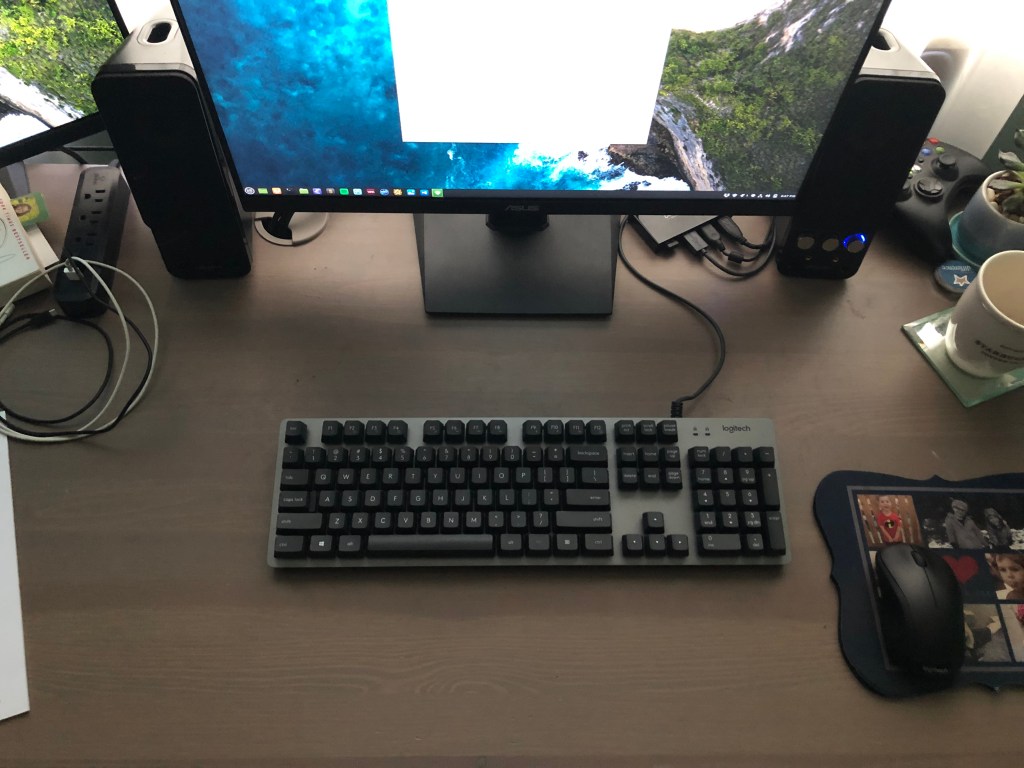
All that desk space!
The Time I Almost Got Fired
Back in 2010, I had just started at a new company as a full-time AV programmer. I already had a couple years of AMX programming under my belt, and I’d just started getting the hang of Crestron and SIMPL Windows. Most of our engineering and programming team were East Coast-based but I was the lone West Coast programmer. On top of that, I was brought in with the expectation I would work on new installs as well as handle service calls. That meant I had two people I treated as a boss, and those two people rarely coordinated on my schedule. Anyway, I’m getting off-topic. Let me tell you about the time I almost got fired.
Continue reading “The Time I Almost Got Fired”Setting Up the AV Programmer for Success
Nice post on rAVe Pubs from my old colleague and friend, Murphy Daley.
www.ravepubs.com/setting-up-av-programmer-success/
Thank you, Murphy!
CWS: Part 4
This post is going to be the last one covering CWS (for now). We’ve created an API that lets us view the current system settings, now we just need a way to update them. In this part, I’ll go over how to take in and apply new settings.
Continue reading “CWS: Part 4”Wayback Weekend: Windows 2000
Way back before there was The Cloud, there was Windows 2000. I used Win2K extensively in computer labs at ITT Tech. Say what you will about that school, I did at least get practical, hands-on experience with computer environments while going there. Maybe I didn’t end up getting a job in traditional IT, but the experience still helped me adapt to other technologies I’ve encountered since.
Continue reading “Wayback Weekend: Windows 2000” Kiel the Coder