SIMPL Tricks: 4-series

If you’re starting to get into 4-series projects but you don’t have actual hardware to test with you can load SIMPL programs targeted for 4-series processors to a 3-series. I’d heard the reverse was true: a 3-series programs should run unmodified on a 4-series. But it looks like for testing purposes, you can also run 4-series SIMPL programs on a 3-series.

Of course, your program would need to be written such that it runs on a 3-series and a 4-series. This is different from the 2-series to 3-series transition where the architectures must have been wildly different.


HTML5 + 4-series

We’ve already run into a couple things we need to be mindful of when using HTML5 and 4-series processors (see HTML5 XPanel for details about licensing and authentication). In this post, my goal is to break away from 3-series sandboxes and SIMPL Windows, so that means we’re moving into the realm of C# and Visual Studio 2019.

Continue reading “HTML5 + 4-series”

HTML5 + JS

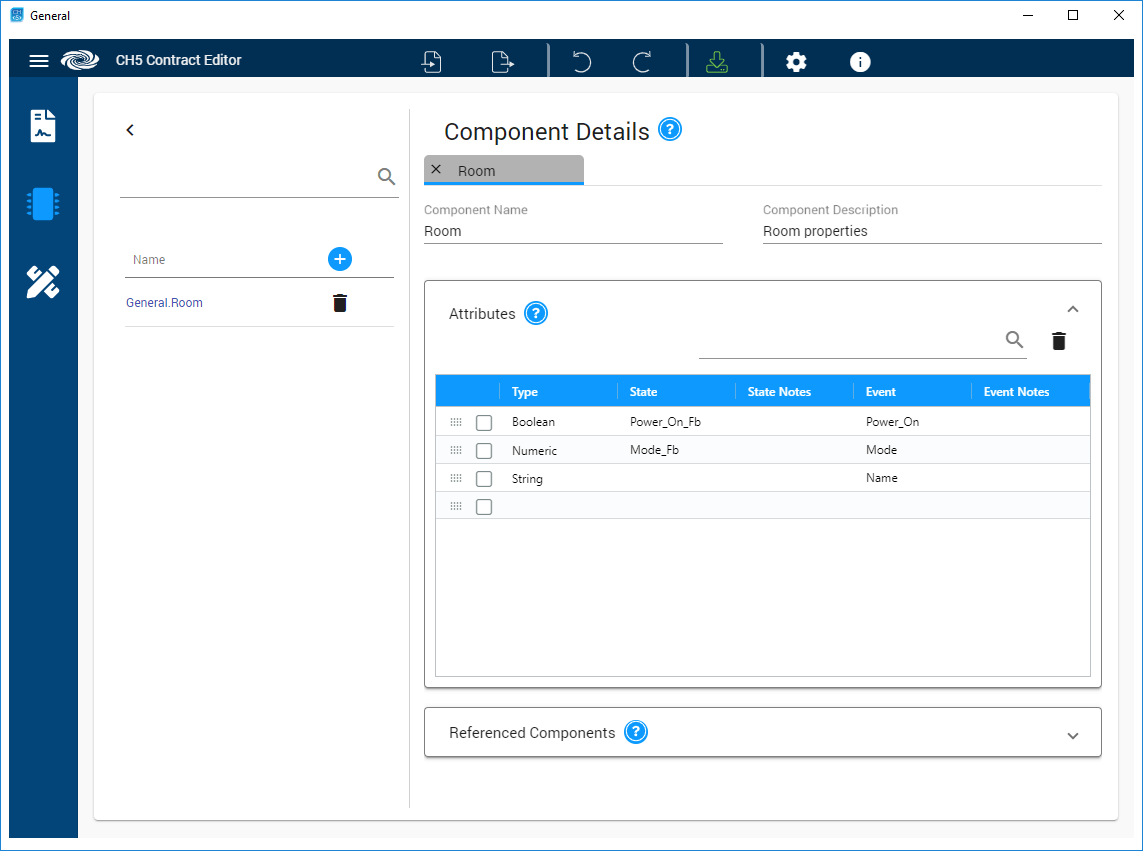
In this post, we’re going to greatly simplify how we create touchpanel layouts: we’re going to ditch the Contract Editor and most of the CH5 components. I do think these tools have value in the right hands, but I want to explore going my own direction. We might reinvent some of their features, but I think it will pay off from the learning aspect. And we’ll know how our program works, inside and out.

Continue reading “HTML5 + JS”

More Office Treasure!

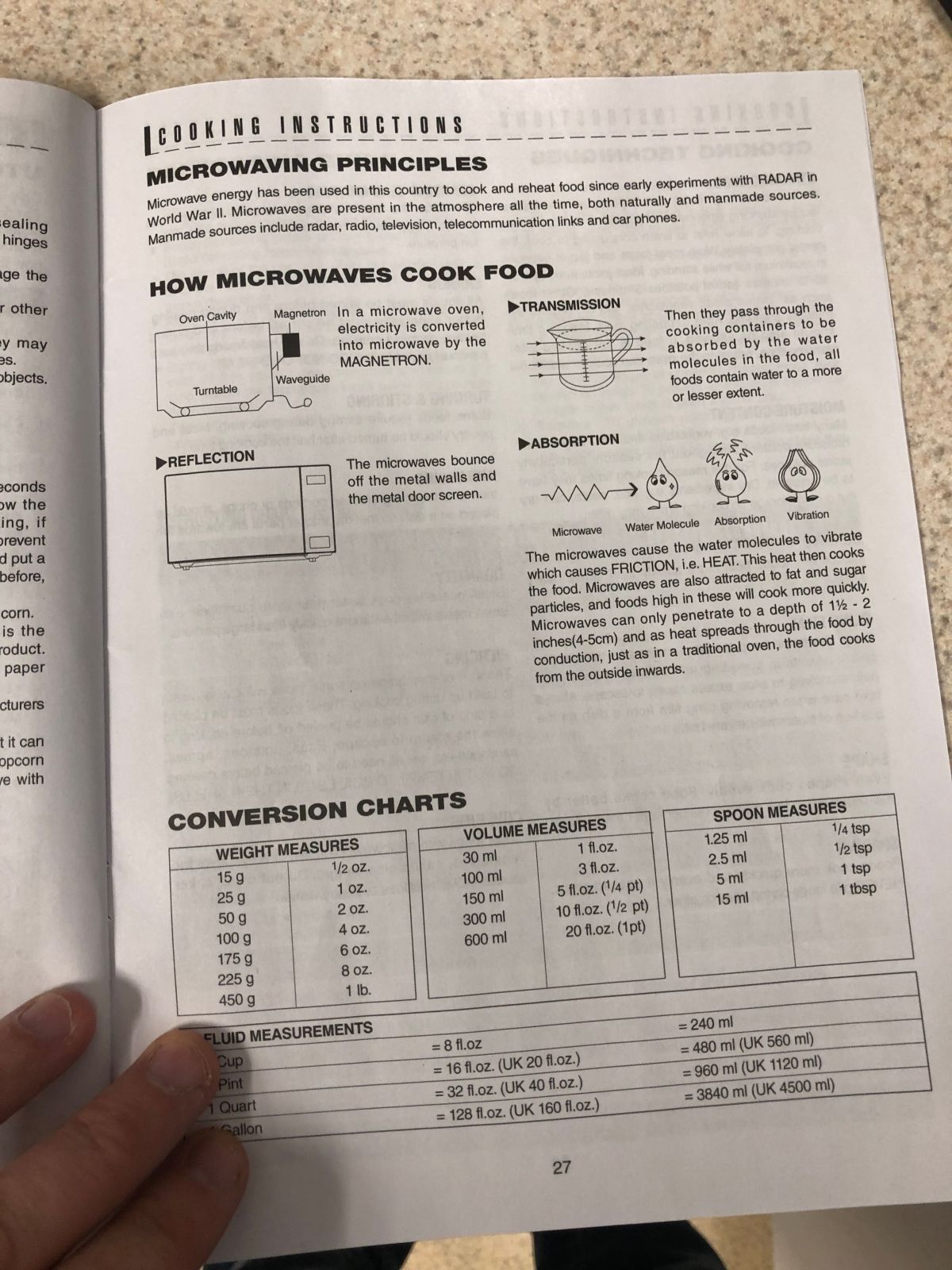
The owner’s manual for the office microwave oven has been sitting on top of it for over a year now. I’m very tempted every time I see it sitting there to file it in the round filing cabinet. While I was waiting for my coffee to finish, I thumbed through it to see exactly how much instruction is required for a microwave.

But then I stumbled across the page titled MICROWAVING PRINCIPLES and liked the drawings so much I think this manual is a keeper. I really appreciate Sharp hiring an artist to draw such an excited water molecule!

A quick blurb about RADAR and World War II was enough to entice me to read up a little more about early experiments to cook food using microwaves. I found this neat story from IEEE: A Brief History of the Microwave Oven. Enjoy!

Create an HTML5 Layout

Earlier this year I experimented with Crestron’s HTML5 offering (dubbed CH5) and felt several pieces were lacking:

  • Decent looking components
  • Documentation
  • Ability to test using an XPanel

Now that we’re well past Masters 2021, my hopes of a clear understanding of the CH5 framework still unfulfilled, I think it’s time to revisit this topic.

Continue reading “Create an HTML5 Layout”

NetLinx: A Real Program

This is the final post in this series, and we’re going to add some finishing touches to the user interface. One thing that’s been bothering me is that our system instantly turns on and off. This doesn’t work in the real world: equipment takes a moment to turn on and off. Even if we don’t match the exact status of the equipment (it’s all faked in our program anyway), it’s good to have a minimal startup and shutdown time to prevent the user from getting things into an unknown state.

Continue reading “NetLinx: A Real Program”

Salary

This is a taboo topic, so I’m probably not going to broadcast this one across social media.

I’m very fortunate. I earn decent money doing something I find interesting: programming. I don’t love sitting in front of a computer all day, but that’s where most of the programming happens, so I’ve learned to deal with it. I take frequent breaks, stand up, stretch, get in some push-ups, sit-ups, go outside. It’s taken me years to recognize this important balance between getting work done and maintaining your health.

Continue reading “Salary”